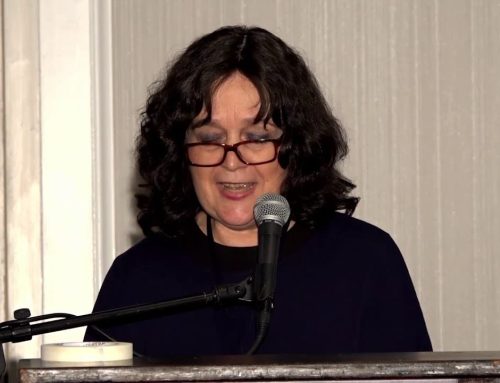
All-In For Chinuch: Meet Rabbi Yossi Goodman, Menahel and educator at Bais Menachem in Wilkes Barre, PA.
Tell us about your Chinuch Shlichus:
I’m a Mechanech at Bais Menachem in the Poconos (formerly in Wilkes Barre, PA), which is an alternative-style Yeshiva. There are a wide range of classes that are elective-based, with different tracks, including JLI discussion-based classes, some traditional classes, and chavrusah-style learning. The roles that the staff play are also multifaceted.
I’ve been on shlichus here for 12 years, and I now serve as the principal. A lot of my day involves speaking with parents, dealing with Shluchim and other members of Hanhalah and engaging with Bachurim. I also farbreng and teach a few classes each day in both Nigleh and Chaassidus.
In general, we treat our work as a Shlichus. We have the Bachurim over every single Friday night, Shabbos day, and Yomim Tovim. There is always a mix of current students, alumni, parents and siblings at our home. So many of these kids feel like it’s their house. It’s way beyond the classroom. We’re involved in every detail of their lives and their families. They’re in my house during the week, talking and farbrenging. It’s the model of the Yeshiva.
What are you currently teaching?
For morning Chassidus, I have been teaching Tanya for the past few years, but I switch it up as I please. For Nigleh, I teach Shulchan Aruch with an emphasis on learning how to learn. I want the Bachurim to learn how to study something independently from a sefer.
How do you engage your students in learning?
My classes are more discussion-based and somewhat interactive. In my Chassidus classes, I give over a lot of stories and meshalim. I try to be practical and down to earth so the guys can relate to what I am saying.
What inspired you to go into chinuch?
I had many experiences in chinuch as a Bachur, working with both frum and not frum kids. During my time learning in 770, I spent my evenings as a Shliach in Oholei Torah Mesivta. I hit it off with a lot of guys, and they felt comfortable opening up to me about their struggles. This really set me on the path that I eventually took into chinuch.
How do you stay motivated?
Baruch Hashem, motivation is not something I struggle with. My personality is to be easily and constantly inspired, so it comes naturally. Also, in our Yeshiva, there is a certain sense of urgency that keeps you on edge. It’s not a joke when I say lives are at stake.
What are you passionate about?
The Rebbe. Ahavas Yisroel. Jews. Teens. Helping people who are going through a hard time, and who feel misunderstood and not recognized. You find so much beauty there, and my heart is pulled towards that.
What is the most challenging aspect of your work?
The hardest part is that it’s not one of those jobs that you can forget about when you go home. There are always pressing needs. First as Bachurim, then to Shidduchim, marriage and raising families. We stay in touch with our graduates and guide them through many of life’s challenges.
What do you find most rewarding?
When a student doesn’t just internalize it for themselves, but they run with it and give it over to the next person. Seeing them under the chuppah is also a pretty big nachas.
Share your favorite story of nachas.
Baruch Hashem, we get a lot of “if not for you I wouldn’t be here” stories, but here’s a touching one I’d like to share.
We had a Bachur who lost his Tefillin. At that point, he wasn’t too sensitive to putting on Tefillin every day, and he misplaced them. His parents struggled a lot financially and he didn’t have the heart to tell them. Another Bachur got wind of what happened, and he took initiative. He collected money from the other Bachurim who generously contributed. On the Bachur’s birthday, his friend presented him with a brand new pair of Tefillin.
What is a message you’d like to share?
People often say that Chinuch is real Shlichus, but it sounds like they’re saying that to fight those who say it’s not. I want to change the narrative and say that people have to really treat Chinuch like a Shlichus in all aspects. That students should come to your house for Shabbos, and after hours, you should fundraise and be involved in the Bachurim’s families. Look at it like a Shlichus and live in that way. Your house is a Chabad house for them, if it is able to work for you. You have to view it as an all-in lifestyle, and do whatever is necessary.
My message to the community is that when a parent reaches out to a Mechanech and asks if there is anything they should know about their child, it’s hugely impactful. The Mechanchim deal with the Bachurim all day, and these conversations help bridge the gap between the parents and the Yeshivah.